Modernizing old software: How to sustainably renew legacy systems
Many companies today still work with software that was developed years or decades ago. These systems are often mission-critical but difficult to maintain, slow, or technologically outdated. In this article we show how companies can modernize their old software, what risks legacy systems pose and which strategies have proven successful for successful modernization.
Why legacy software is a risk for companies
Old software often runs stable, but it becomes a growing risk over the years. Reasons for this include a lack of updates, outdated technology or the loss of the original developers. Companies then face challenges such as:
- Difficult maintainability and high support effort
- Security gaps and lack of GDPR compliance
- No expandability and slow development of new features
- Lack of support for old frameworks or servers
- Manual processes and lack of automation
- Sharply increasing operating costs
When business processes become dependent on old systems, this can lead to scaling risks. Failures, safety problems or a lack of further development slow down innovation and endanger competitiveness.
Goals of modernizing old software
The modernization of old software pursues not only technical but also strategic goals. These include:
- Increased security
- Lower operating costs
- Faster development of new features
- Automated processes instead of manual procedures
- Better performance and usability
- Future-proof technologies and architecture
Modernization methods old software
There is no one modernization method that fits all projects. At CodeGuides, we first evaluate the condition of the system and then recommend the appropriate strategy. The common approaches are:
1. Replatforming
The existing system is migrated to new platforms or infrastructure, such as Docker, Kubernetes or modern cloud architectures. Ideal if the application works functionally but can no longer be operated efficiently.
2. Refactoring
The code base is structurally revised, streamlined and optimized without changing the behavior of the application. This can significantly improve performance and maintainability.
3. Partial new construction (modular modernization)
Individual modules or areas are newly developed and connected to the old system. Typical for large systems that need to be gradually modernized.
4. Completely new building
If the old application is no longer maintainable or poses major security risks, a rebuild is recommended. Modern architecture and clean data models make the system more efficient and flexible in the long term.
5. API modernization
Old systems can often be modernized by adding or renewing APIs. This means modern apps, platforms or microservices can access it without having to redevelop the entire system.
CodeGuides project configurator
Use the international project configurator to estimate a realistic budget and delivery range before booking a consultation.
How does software modernization work in practice
Our modernization projects follow a clear and safe process:
- Technical audit: Analysis of the code, architecture, database structures and security situation.
- Strategy recommendation: Definition of the appropriate modernization method.
- Proof of concept: Optional test module to evaluate effort and feasibility.
- Refactoring or new construction: Implementation in sprints with clear documentation.
- Migration & Testing: Moving existing data, full testing and quality checking.
- Deployment: Rollout to new infrastructure.
- Further development: Ongoing maintenance, feature extensions and monitoring.
This structured process ensures that modernization remains plannable and your company receives usable results at an early stage.
Technologies and tools for modernization
We modernize systems with modern, long-term maintainable technologies:
- Backend: Spring Boot, Micronaut, Node.js, Laravel
- Frontend: Angular, Vue.js, React
- Mobile: Flutter for iOS and Android
- Databases: PostgreSQL, MongoDB, MySQL
- Cloud & Infrastructure: Docker, Kubernetes, GitLab CI/CD
- Monitoring: Grafana, Prometheus, Loki, Sentry
Practical example from modernization
A medium-sized industrial company had been working with an old desktop application for 15 years. Changes were hardly possible and performance decreased with each new requirement. After a technical audit, the decision was made to carry out gradual modernization. We migrated the system to a web platform, standardized the data models and completely replaced the UI. The result was lower support costs, faster processes and significantly higher team satisfaction.
FAQ: Modernize old software and renew legacy systems
How much does it cost to modernize old software
Depending on the scope of the project, modernization costs range between 15,000 and 150,000 euros. Small refactorings are cheaper, completely new developments are correspondingly more extensive. You will receive an initial estimate in Project configurator.
When should you modernize old software
When support expires, security risks exist, or changes take an extremely long time, modernization is urgently needed. Rising operating costs and unstable deployments are also clear signals.
You can modernize old systems step by step
Yes, many legacy systems are being modernized in a modular manner. Individual components are replaced while the rest of the system continues to operate. This reduces risks and enables planning security.
Which is better: refactoring or completely new construction
This depends on the state of the software. If the architecture, code and data structure are very outdated, a new building is often more economical. If the core is stable, refactoring may be sufficient. A technical audit provides clarity here.
Conclusion: Modernize old software and Achieve future security
Modernizing old software is not a risk, but a strategic opportunity. Done correctly, it leads to lower costs, higher security, better performance and significantly more innovation. Whether refactoring, replatforming or completely new construction: with an experienced team you can create a digital basis that is sustainable and flexible in the long term.
If you have your modernize old software want to arrange a free initial consultation or use our Project configurator for an initial cost estimate.
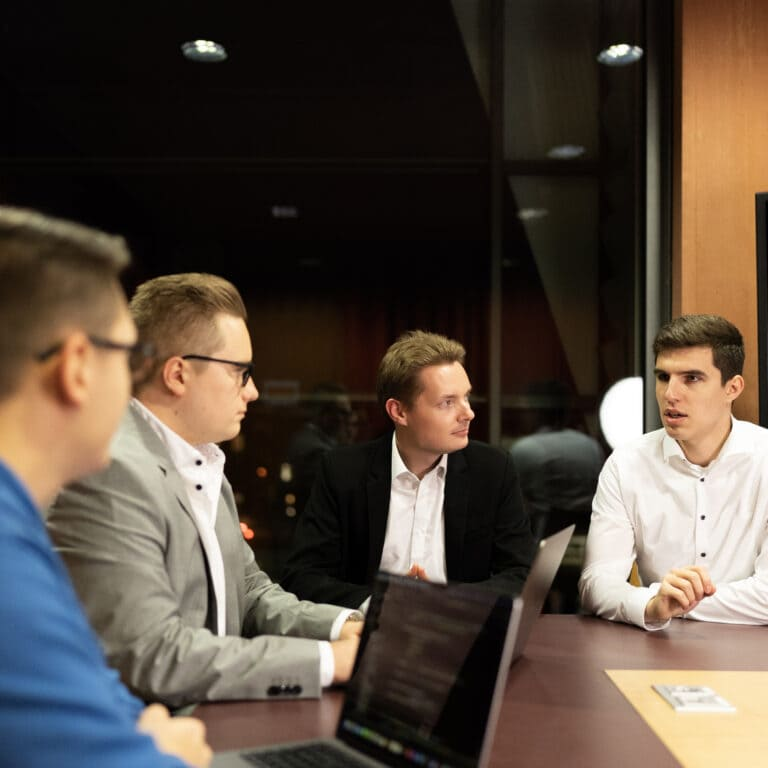
CodeGuides is your partner for professional software development.
Discuss your idea in a free 45-minute conversation, without obligation and at eye level.
CodeGuides: Proven for medium-sized businesses and corporations







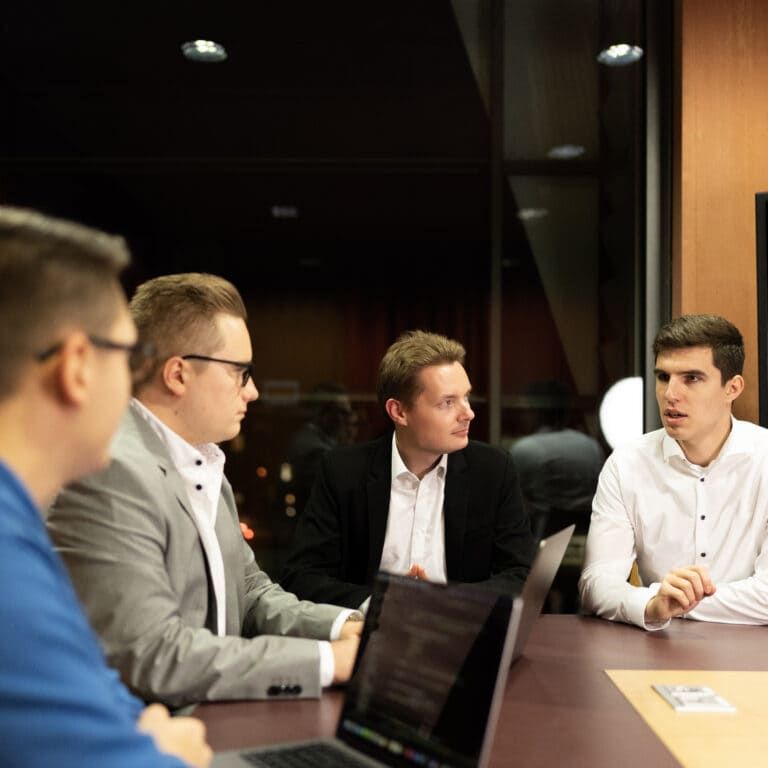

Discuss your project with us
Choose a suitable date and we will send you an invitation. We look forward to exchanging ideas with you.
Choose channel
All consultations are held via Google Meet.
Date & time
Confirmation and calendar entry arrive immediately by email.
The appointment can be rescheduled if needed.
Summary
I look forward to our consultation