Web platform development: From the idea to the digital platform solution
Digital platforms are the backbone of modern business models. Whether customer portals, marketplaces, SaaS products or internal company solutions. A custom-developed web platform can automate processes, create new revenue streams and accelerate your digital growth.
Why having your own web platform is the next logical step
Companies are increasingly faced with the challenge of bundling complex digital processes: customer data, products, communication, internal processes. Standard solutions quickly reach their limits here. One individual web platform offers the possibility of combining all of these systems in a central, scalable application, precisely tailored to your business model.
As experienced Platform agency from Germany At CodeGuides we develop tailor-made web platforms that combine functionality, design and security. From strategy to UX design to hosting, you get everything from a single source.
What is a web platform?
A web platform is a browser-based software solution that links users, data and processes. It works independently of the operating system and can be used from any device (mobile, tablet or desktop). Typical examples are:
- Online marketplaces (e.g. B2B or service platforms)
- Customer and partner portals
- SaaS products (Software-as-a-Service)
- Internal company portals or management systems
- Community and knowledge platforms
The goal is to digitally map interactions, centralize data and enable scalable business models.
How does the development of a web platform work?
Die Development of a web platform follows a structured, multi-stage process. Each phase builds on the previous one and ensures predictable results.
1. Analysis and strategy
At the beginning, requirements, target groups and business goals are defined. Together we will develop a technical and conceptual foundation that takes future scalability into account.
2. UX/UI design and prototyping
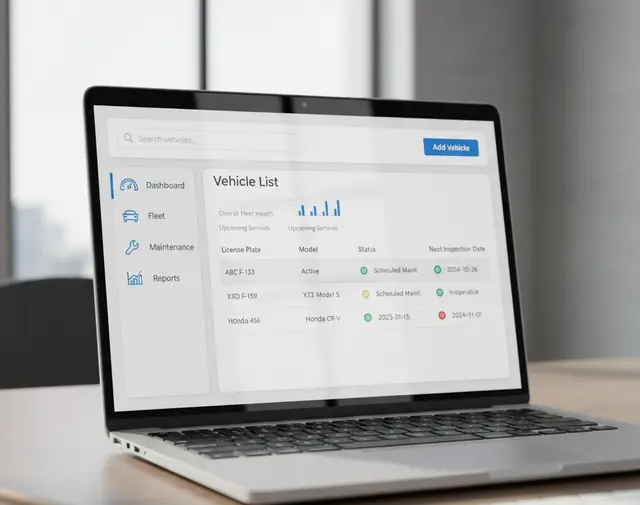
Intuitive user guidance is crucial for the success of a platform. Wireframes and clickable prototypes help to obtain early feedback from users and stakeholders.
3. Architecture and development
Depending on the project, we rely on modern frameworks such as Spring Boot, Micronaut or Node.js in the backend and Vue.js or Angular in the frontend. APIs, microservices and secure authentication solutions (OAuth2, JWT) form the foundation.
4. Testing, deployment and go-live
Before the rollout, there is a comprehensive test phase that is functional, technical and security-relevant. After the go-live, we can also take over operation, monitoring and maintenance if desired.
CodeGuides project configurator
Use the international project configurator to estimate a realistic budget and delivery range before booking a consultation.
Advantages of an individual web platform
A tailor-made web platform offers numerous advantages over standard solutions:
- Scalability: Your platform grows with your company, namely modular and flexibly expandable.
- Integration: Connection to ERP, CRM or payment systems via APIs.
- Efficiency: Automation of recurring processes saves time and costs.
- Independence: No license costs or dependence on external SaaS providers.
- Data sovereignty: Full control over data and hosting location (e.g. Germany or EU).
- Competitive advantage: Individual functions and branding create differentiation.
Comparison: standard platform vs. individual platform (TCO & integrations)
The following table helps with quick decision preparation. She compares Startup costs, TCO over 3 years, Integration capability and other key factors.
| Criterion | Standard platform (Buy) | Individual platform (Make) |
|---|---|---|
| Startup costs | Low-medium (Setup + License) | Medium-high (one-off investment, project team) |
| TCO 3 years | License + Add-ons; TCO increases with users | Maintenance + further development; TCO stable, scalable |
| Integrations (ERP/CRM/Payment) | Often only predefined connectors; Limits possible | Any API connections, deep process integration |
| Time to market | Fast (weeks) | Planned (8-12 weeks MVP) |
| Data sovereignty & hosting | Depending on the provider / region | Full control (EU/DE hosting possible) |
| Scaling & Licenses | License dependent, cost per user/feature | Scales with infrastructure, no license restrictions |
| Function coverage | “Best Fit”; Adjustments limited | Exact match; differentiating features |
| Example insert | Standard processes, PoC, quick start | Core processes, competitive advantage, IP structure |
Areas of application in 2026: 5 industry examples
Web platforms can be used in almost every industry. We particularly often develop solutions in these areas:
- B2B and industry: Portals for dealers, partners and suppliers.
- FinTech & Insurance: Customer portals, digital policy management, payment processing.
- Education & E-Learning: Online courses, exam portals, training platforms.
- Healthcare: Appointment booking, patient portals, secure data rooms.
- Real Estate & PropTech: Administration, booking and communication on one platform.
Technologies and architecture
Modern web platforms are based on microservice architectures and scalable cloud infrastructures. At CodeGuides we rely on proven technologies to ensure performance, security and flexibility:
- Frontend: Vue.js, Angular, React
- Backend: Micronaut, Spring Boot, Node.js
- Databases: PostgreSQL, MongoDB, Redis
- Hosting & DevOps: Docker, Kubernetes, AWS, Azure, GitLab CI
- Monitoring: Grafana, Prometheus, OpenTelemetry
This combination allows applications to be developed modularly and scaled flexibly as the number of users grows.
How much does it costto have a web platform developed?
Die Web platform development costs depend on complexity, functionality and integrations. Small platforms (e.g. internal tools) start at around 25,000 euros. Medium-sized B2B or SaaS platforms are usually in between 50,000 and 120,000 euros. Large projects with a multi-client structure, interfaces and payment systems can go beyond this.
Use this Project configuratorto get an initial cost estimate and run through different scenarios.
Practical example: Service platform for booking training appointments
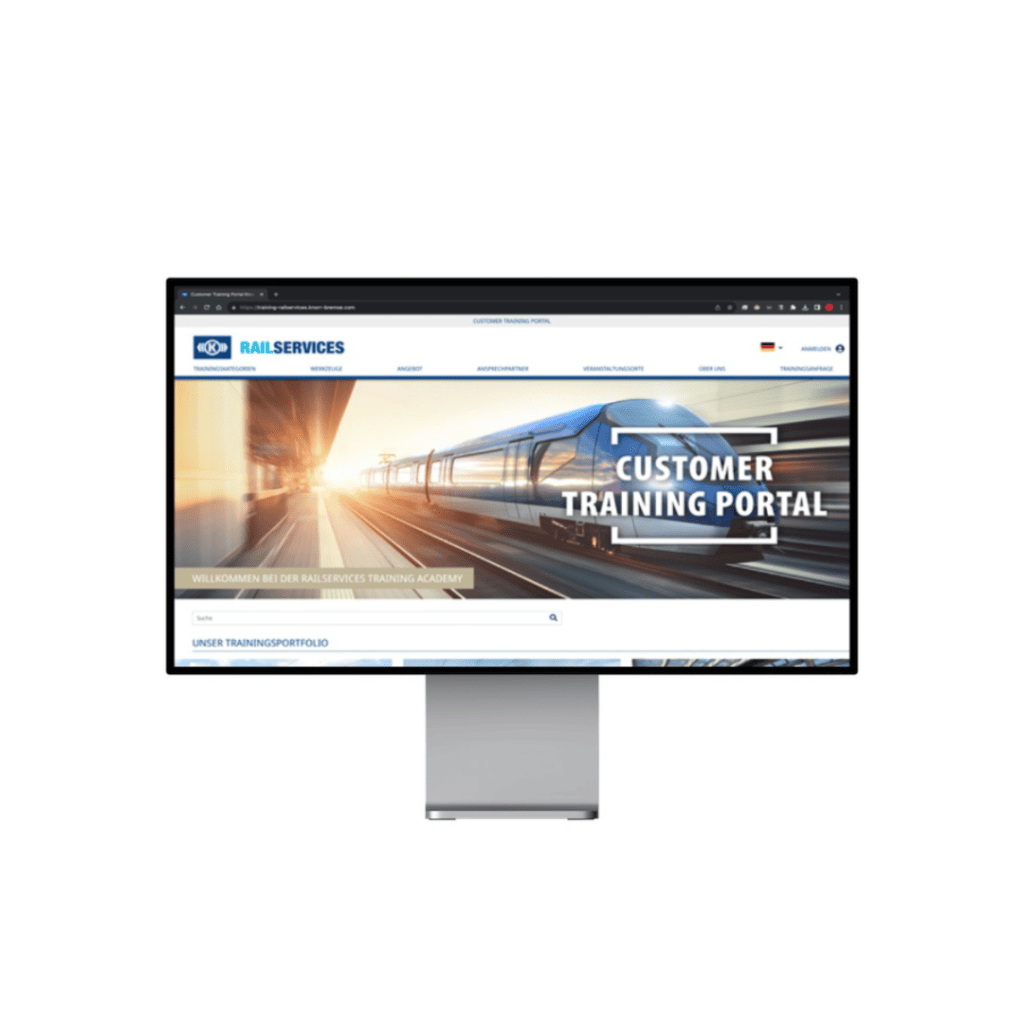
CodeGuides developed a web platform for the central administration of training offers, personnel and operational planning for a DAX-listed company. The solution is now a central point of contact for bookings and reduces manual email communication by over 80%. The platform has now been used successfully for several years.
Operation, maintenance and further development
A platform is not a static product, but a living system. We will continue to support you after the go-live with monitoring, security updates, performance optimization and regular releases. This means your web platform remains stable, secure and adaptable in the long term.
Conclusion: Your own web platform as digital growth basis
If you want to digitize your processes or build new business models, you can hardly avoid having your own web platform. It is the foundation of modern digitalization: individual, secure and scalable. With CodeGuides as your partner, you benefit from technical expertise, industry understanding and an experienced team of developers.
If you have a Web platform development want to Arrange a free initial consultation now or book your development team directly with us.

CodeGuides is your partner for professional software development.
FAQ: Frequently asked questions about web platform development
How much does it cost to develop a web platform?
Die Web platform development costs start at about 25,000 euros for simple systems. Depending on the scope, interfaces and design, professional corporate platforms lie between 50,000 and 150,000 euros. Der Project configurator gives you an initial estimate.
What technologies are used for web platforms?
Modern Web platforms are mostly used with frameworks like Spring Boot, Micronaut or Node.js developed. Coming in the frontend Vue.js or Angular for use, combined with cloud hosting via Docker and Kubernetes. These technologies guarantee stability and scalability.
How long does it take to develop a web platform?
Development time depends on complexity. A simple platform is created in 8 to 12 weeks, while complex SaaS or B2B solutions 3 to 6 months need. Using agile development methods, we regularly deliver usable interim statuses.
Can I have a web platform developed in Germany?
Yes, at CodeGuides you can do your Web platform in Germany developed, with GDPR-compliant data processing, hosting in the EU and direct communication. We are as Platform agency in Berlin and Brandenburg active and support customers nationwide.
What advantages does an individually developed platform offer?
An individual Web platform offers full control over functions, data and integrations. You avoid license costs, dependencies and restrictions caused by standard solutions. In addition, your platform can be adapted precisely to your business model and expanded flexibly.
Discuss your idea in a free 45-minute conversation, without obligation and at eye level.
CodeGuides: Proven for medium-sized businesses and corporations









Discuss your project with us
Choose a suitable date and we will send you an invitation. We look forward to exchanging ideas with you.
Choose channel
All consultations are held via Google Meet.
Date & time
Confirmation and calendar entry arrive immediately by email.
The appointment can be rescheduled if needed.
Summary
I look forward to our consultation